January 21, 2026
What is a Vertical Speed Indicator and How Does It Work?Spartan College of Aeronautics and Technology is a prominent voice in the aviation space. These blogs are for informational purposes only and are meant to spark discussions within the aviation industry on a variety of topics.
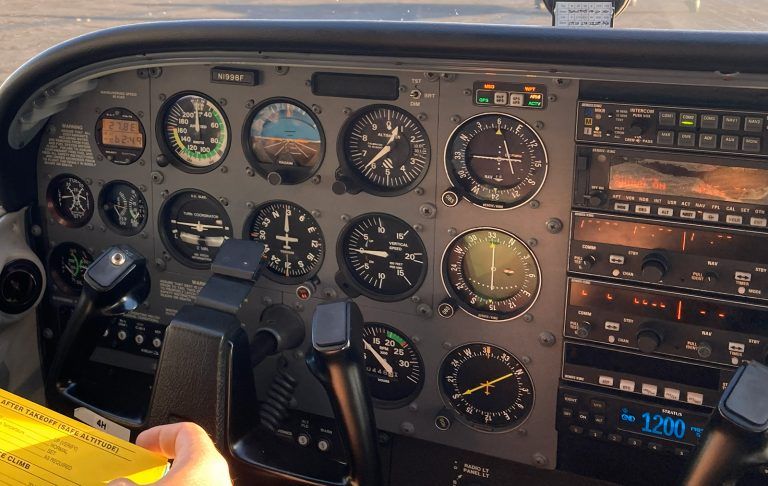
In every cockpit, pilots rely on key instruments to understand how the aircraft is performing, especially when it comes to speed, altitude, and overall control. While the altimeter indicates current altitude, it doesn’t show how quickly that altitude is changing. That’s where the Vertical Speed Indicator (VSI) comes in.
For aspiring aviators, learning how instruments work and what they communicate can help build a stronger foundation for flight training. The VSI provides pilots with information that supports smooth climbs, descents, and altitude management throughout a flight.
Understanding the Vertical Speed Indicator (VSI)
The Vertical Speed Indicator (VSI) is one of the core flight instruments commonly found in many training and general aviation aircraft. It displays the aircraft’s rate of climb or descent, typically measured in feet per minute (fpm).
For example:
The VSI works as part of the pitot-static system, which uses air pressure information from outside the aircraft. That same system also supports key instruments such as the airspeed indicator and altimeter, helping pilots form a more complete picture of the aircraft’s performance.
Why the VSI Matters in Training and Flight Operations
The VSI helps pilots monitor and adjust altitude changes in a controlled and intentional way. This becomes especially important when visibility is reduced or when pilots are relying more heavily on instrument references.
In many scenarios (such as climb-outs, descents, and approaches), the VSI provides feedback that can help pilots maintain a consistent vertical trend, rather than relying on guesswork or delayed cues from the altimeter alone.
During training, student pilots learn that the VSI is most effective when used alongside other instruments and outside references, reinforcing the importance of scanning and cross-checking rather than relying on any one display.
Key Components of a Vertical Speed Indicator
Although the VSI appears simple from the outside, it includes several internal components that work together to measure changes in air pressure and convert those changes into a readable indication:
These components work together to indicate how quickly the aircraft’s altitude is changing.
How the VSI Works
The VSI functions based on a controlled difference in pressure:
Because of this pressure-equalization process, a standard VSI can have a slight response delay. Some aircraft may be equipped with improved versions designed to reduce lag.
Instantaneous VSI (IVSI) vs. Standard VSI
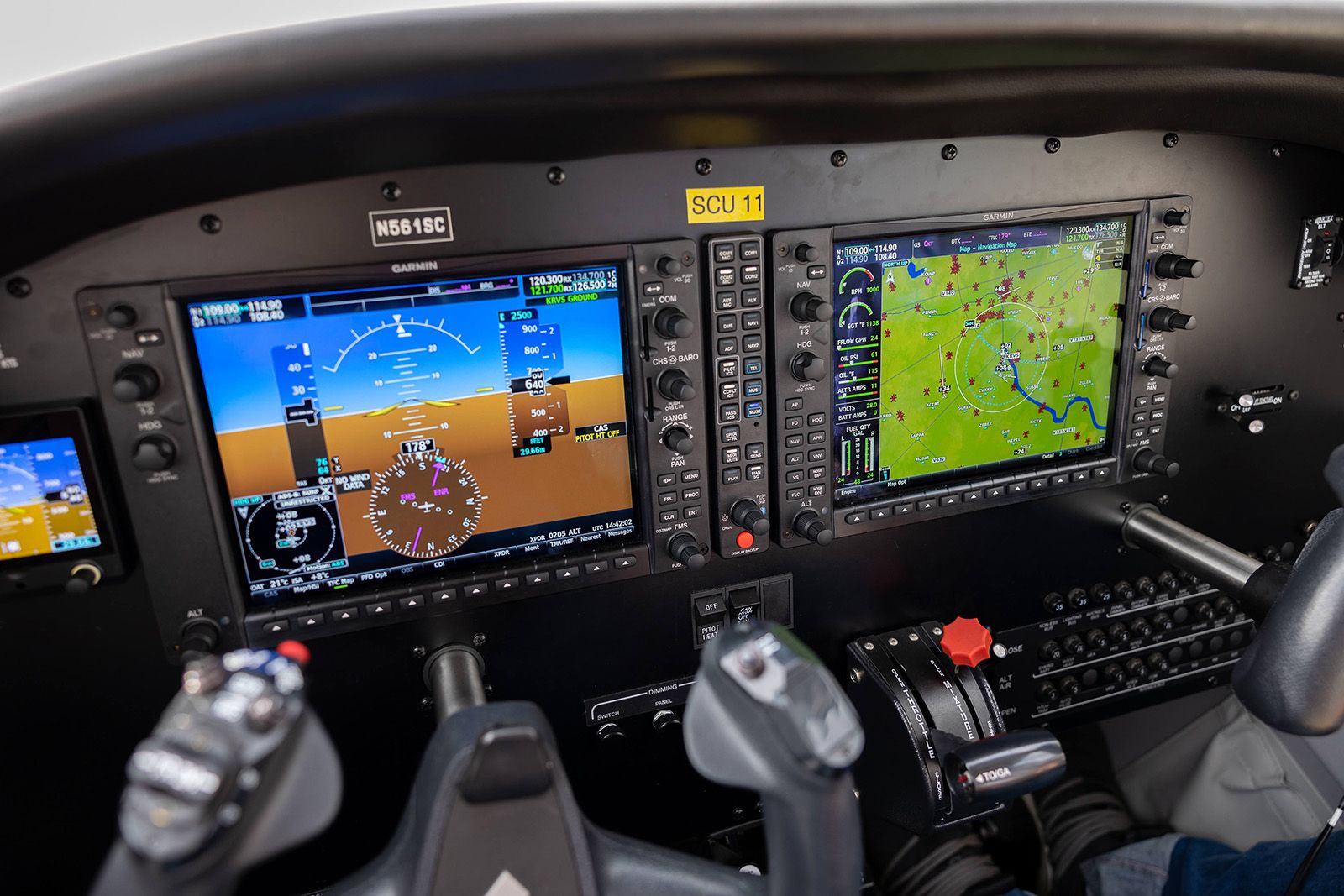
Some aircraft use an enhanced version of the instrument called an Instantaneous Vertical Speed Indicator (IVSI). These instruments can respond faster by incorporating additional internal sensing mechanisms that detect changes more quickly than a traditional VSI.
While the VSI remains a dependable tool, pilots learn in training that instrument readings should always be interpreted as part of an overall scan, especially when making time-sensitive control adjustments.
Common Issues That Can Affect VSI Accuracy
Like other pitot-static instruments, the VSI can be affected by conditions such as blockages or leaks in the static system. Examples may include:
This is one reason pilots are trained to cross-check multiple instruments instead of relying on a single indicator.
How Pilots Use the VSI During Different Phases of Flight
The VSI is commonly referenced throughout flight:
As student pilots progress, they learn when VSI input is most useful and how to combine it with procedures, instructor guidance, and proper instrument scanning techniques.
The Vertical Speed Indicator is a key instrument that supports altitude awareness and smoother vertical control. For those exploring aviation training, understanding how the VSI works offers insight into how pilots monitor and manage aircraft performance across a wide variety of operating conditions. At Spartan College of Aeronautics and Technology, students train with experienced instructors to build real-world aviation knowledge step by step. Fill out the form below to see how you can start your flight training journey with us!
If you would like to learn more about Spartan College and our program offerings, fill out the form below to request information, and we will have one of our admissions representatives contact you.
Affiliate Partner Program | Jobs at Spartan | Terms of Use | Privacy Policy | Opt-out Policy | Privacy Notice - California Residents| Notice of Non-Discrimination | Website Accessibility Help | Transparency in Coverage Act| Cookie Settings | AI Reference Page | LLM Info (TXT)
© 2026 SPARTAN COLLEGE OF AERONAUTICS AND TECHNOLOGY. ALL RIGHTS RESERVED.