2026 Aviation Career Guide
How Long Does It Take to Become a Pilot?
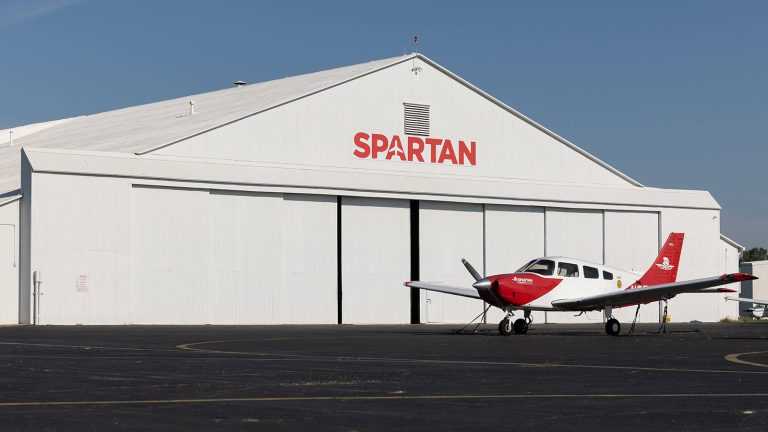
There is no single timeline for training to become a pilot because students may be working toward different goals. Someone training only for a private pilot certificate may have a much different timeline than someone pursuing a career-focused path that includes private pilot, instrument, commercial, multi-engine, CFI, and CFII milestones.
At Spartan College’s Tulsa Aviation Flight program, milestones that may be earned include Private Pilot Airplane Single-Engine, Instrument Rating, Commercial Pilot Certificate Airplane Single-Engine, Commercial Pilot Certificate Airplane Multi-Engine, Certified Flight Instructor Certificate, and Certified Flight Instructor Instrument.
A student pursuing a full training path will typically have a longer timeline than someone training only for a private pilot certificate because each certificate or rating includes additional training, testing, and proficiency requirements.
Talk with Spartan about your path.
If you're exploring flight training, the best way to get a clear understanding of your path is to speak with an admissions team and discuss your goals, timeline, and options.
Part 61 vs. Part 141: How Training Structure Impacts Timeline
Pilot training in the U.S. is commonly completed under Part 61 or Part 141.
Part 61 Training
Part 61 training may offer more flexibility in scheduling and pacing. Students may train part-time, self-paced, or around work and school schedules. However, because the timeline is often more flexible, completion time can vary significantly based on how often the student trains.
Under Part 61, FAA minimums include:
- Private Pilot Certificate: 40 hours of flight time for an airplane single-engine rating
- Instrument Rating: 50 hours cross-country PIC time and 40 hours actual or simulated instrument time
- Commercial Pilot Certificate: 250 hours total flight time
- Airplane Multi-Engine Additional Class Rating: no single specified training-hour requirement, but endorsement and practical test requirements apply
- Flight Instructor: eligibility, knowledge, endorsement, training, proficiency, and practical test requirements apply rather than one simple minimum flight-hour number
Part 141 Training
Part 141 training is conducted through FAA-approved pilot schools with structured curriculum requirements. The FAA states that approved schools must meet prescribed standards for equipment, facilities, personnel, and curricula.
Under Part 141, approved course minimums include:
- Private Pilot Certification Course: 35 hours of flight training for an airplane rating
- Initial Instrument Rating Course: 30 hours of ground training and 35 hours of instrument training
- Commercial Pilot Certification Course: 35 hours of ground training and 120 hours of flight training for an airplane rating
- Additional Airplane Multi-Engine Rating at the Commercial Level: 55 hours of flight training
- Initial Flight Instructor Certification Course: 40 hours of ground training and 25 hours of flight training
- Flight Instructor Instrument Course: 15 hours of ground training and 15 hours of flight training
Part 141 training may allow students to progress through a more defined sequence of lessons, stage checks, and milestones, but actual completion time still depends on proficiency, scheduling, weather, aircraft availability, and individual progress.
Timeline Snapshot
Private Pilot Certificate
Part 61 minimum: 40 hours of flight time for an airplane single-engine rating
Part 141 minimum: 35 hours of flight training in an approved private pilot certification course for an airplane rating
Typical completion: The FAA notes that although the private pilot requirement is normally 40 hours and may be reduced to 35 hours with an approved school, most people require 60 to 75 hours of training.
Instrument Rating
Part 61 minimum: 50 hours of cross-country time as pilot in command and 40 hours of actual or simulated instrument time for an instrument-airplane rating
Part 141 minimum: 30 hours of ground training and 35 hours of instrument training for an initial instrument rating course.
Commercial Pilot Certificate
Part 61 minimum: 250 hours of flight time as a pilot for a commercial pilot certificate with an airplane single-engine or airplane multi-engine rating
Part 141 minimum: 35 hours of ground training and 120 hours of flight training in an approved commercial pilot certification course for an airplane rating.
Airplane Multi-Engine
Part 61 additional class rating: No single minimum hour requirement is listed for adding an additional aircraft class rating. The applicant must receive the required endorsement, be found competent and proficient, and pass the practical test.
Part 141 additional airplane multi-engine rating: For an additional airplane multi-engine rating at the commercial pilot certificate level, Appendix I lists a 55-hour flight training course requirement.
Certified Flight Instructor / CFII
Part 61 CFI: The FAA does not list one simple minimum flight-hour number for CFI. Applicants must meet eligibility, knowledge, endorsement, flight proficiency, and practical test requirements.
Part 141 CFI: An approved initial flight instructor certification course must include at least 40 hours of ground training and 25 hours of flight training.
Part 141 CFII: An approved flight instructor instrument course must include at least 15 hours of ground training and 15 hours of flight training.
These are FAA minimums and general timeline considerations for informational purposes only. Actual timelines vary based on individual progress, scheduling, weather, aircraft availability, instructor availability, and program structure.
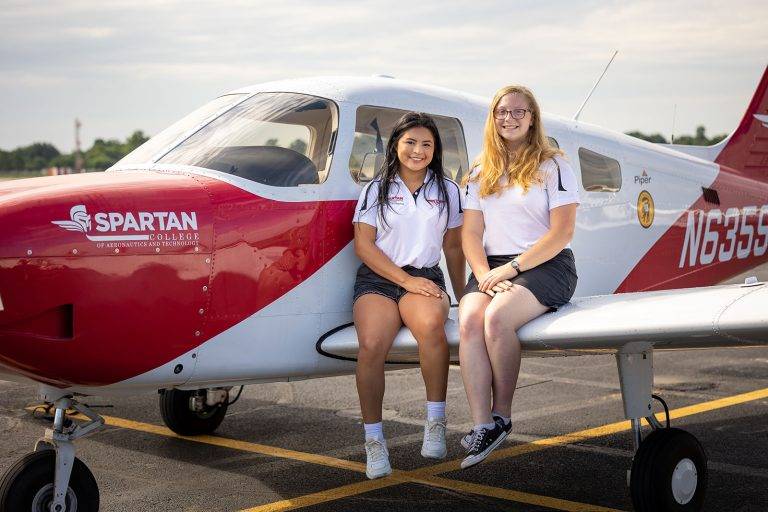
What Impacts the Timeline for Flight Training?
Several factors can influence how quickly a student progresses through flight training:
- How often the student trains
- Weather and scheduling availability
- Aircraft and instructor availability
- Individual learning pace
- Training consistency
- Training structure, including Part 61 vs. Part 141
- The certificates and ratings being pursued
- Required written exams and checkrides
The FAA states that ground and flight training should be obtained “as regularly and frequently as possible” because regular training supports retention and proficiency with less time and cost.
Training Frequency Matters
How often a student trains can have a major impact on the overall timeline.
Training Several Times Per Week
Students who train several times per week may progress more efficiently because they are building on recent lessons and may spend less time reviewing previous skills.
This can help with:
- Stronger skill retention
- More consistent progress
- Less repeated review
- More efficient movement through training milestones
Training Once Per Week or Less
Students who train less frequently may take longer because more time may be spent reviewing skills between lessons.
This can lead to:
- Slower progression
- More time between milestones
- Additional review lessons
- A longer overall timeline
Training frequency does not guarantee completion by a certain date. Students must still meet FAA requirements, receive required endorsements, and demonstrate proficiency.
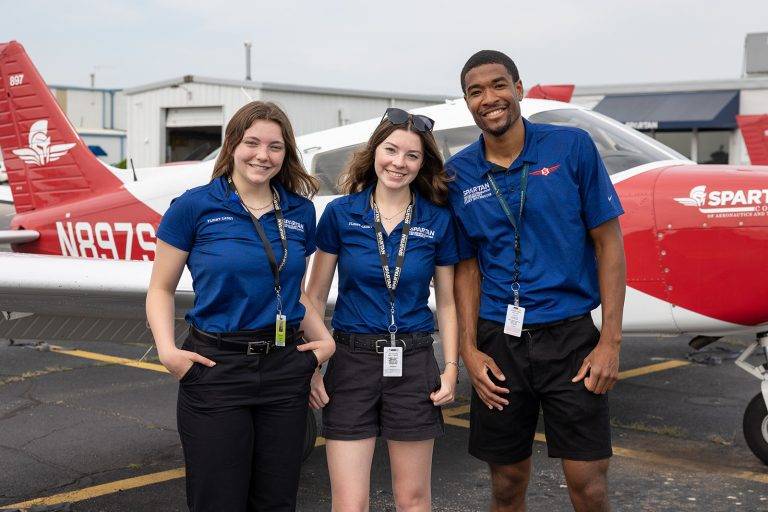
How Long Is Spartan College’s Aviation Flight Program?
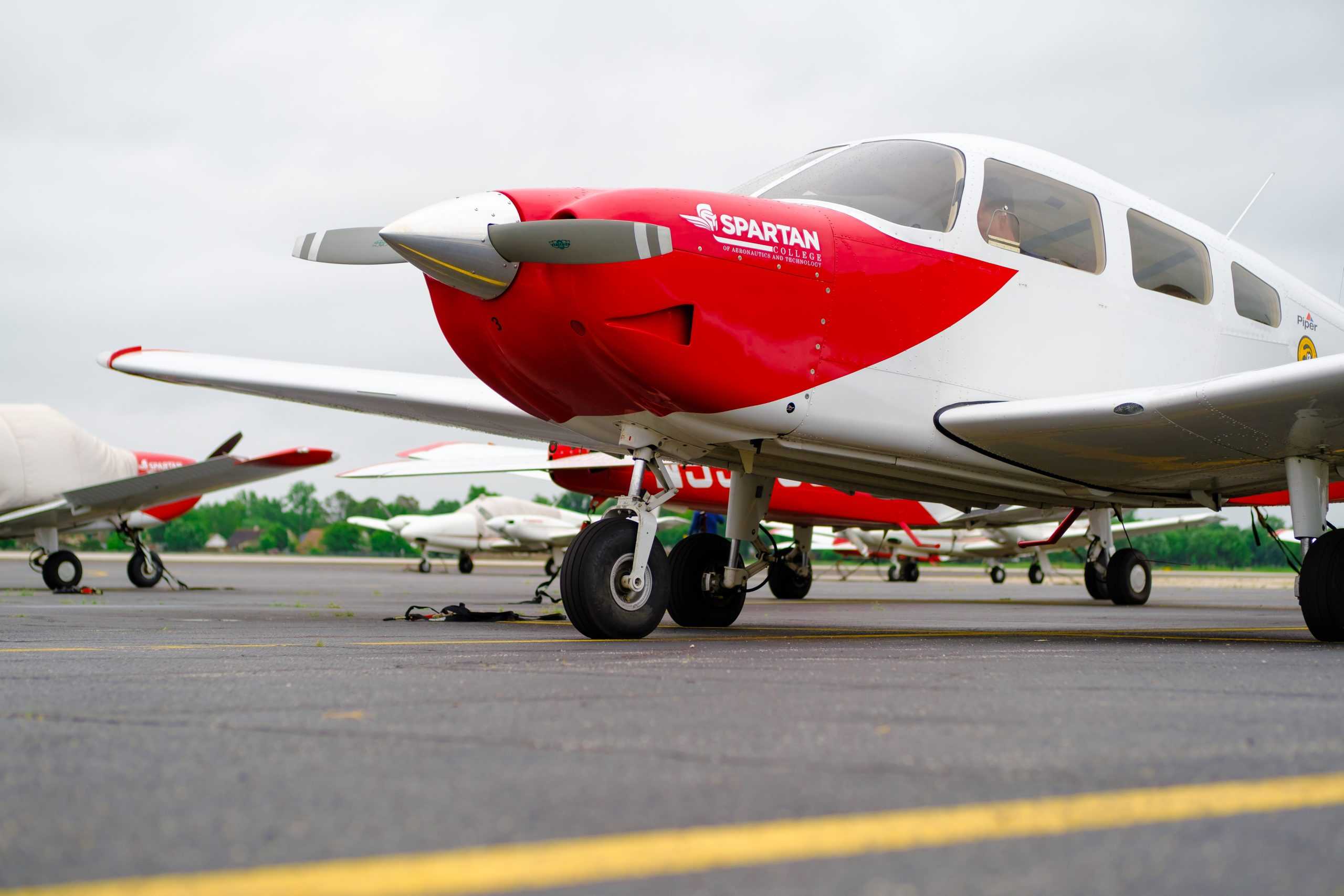
Spartan College’s Tulsa Aviation Flight program is an Associate of Applied Science program listed as 17 months in length.
This timeline reflects a structured, FAA-approved Part 141 Aviation Flight program path, not a private pilot-only timeline.
In Spartan College’s Aviation Flight program, students have the opportunity to train to earn the following certifications and ratings:
- Private Pilot Airplane Single-Engine
- Instrument Rating
- Commercial Pilot Certificate Airplane Single-Engine
- Commercial Pilot Certificate Airplane Multi-Engine
- Certified Flight Instructor Certificate
- Certified Flight Instructor Instrument
This program is designed to prepare students for FAA certifications and ratings exams, including required FAA written examinations and FAA flight exams in accordance with FAA Airmen Certification Standards.
Things to Research Before Choosing a Flight School
When comparing training options, it’s helpful to look beyond timeline alone.
Consider:
- What certifications and ratings are included
- Whether training is conducted under Part 61 or Part 141
- How often you can realistically train
- Aircraft and instructor availability
- Weather and location considerations
- Access to ground school and student support
- Whether financial aid or financing options are available
- Whether the training path aligns with your long-term aviation goals
The FAA recommends evaluating training providers based on more than financial concerns alone and suggests visiting the provider, talking with management, instructors, and students, and evaluating the quality of training before making a decision.
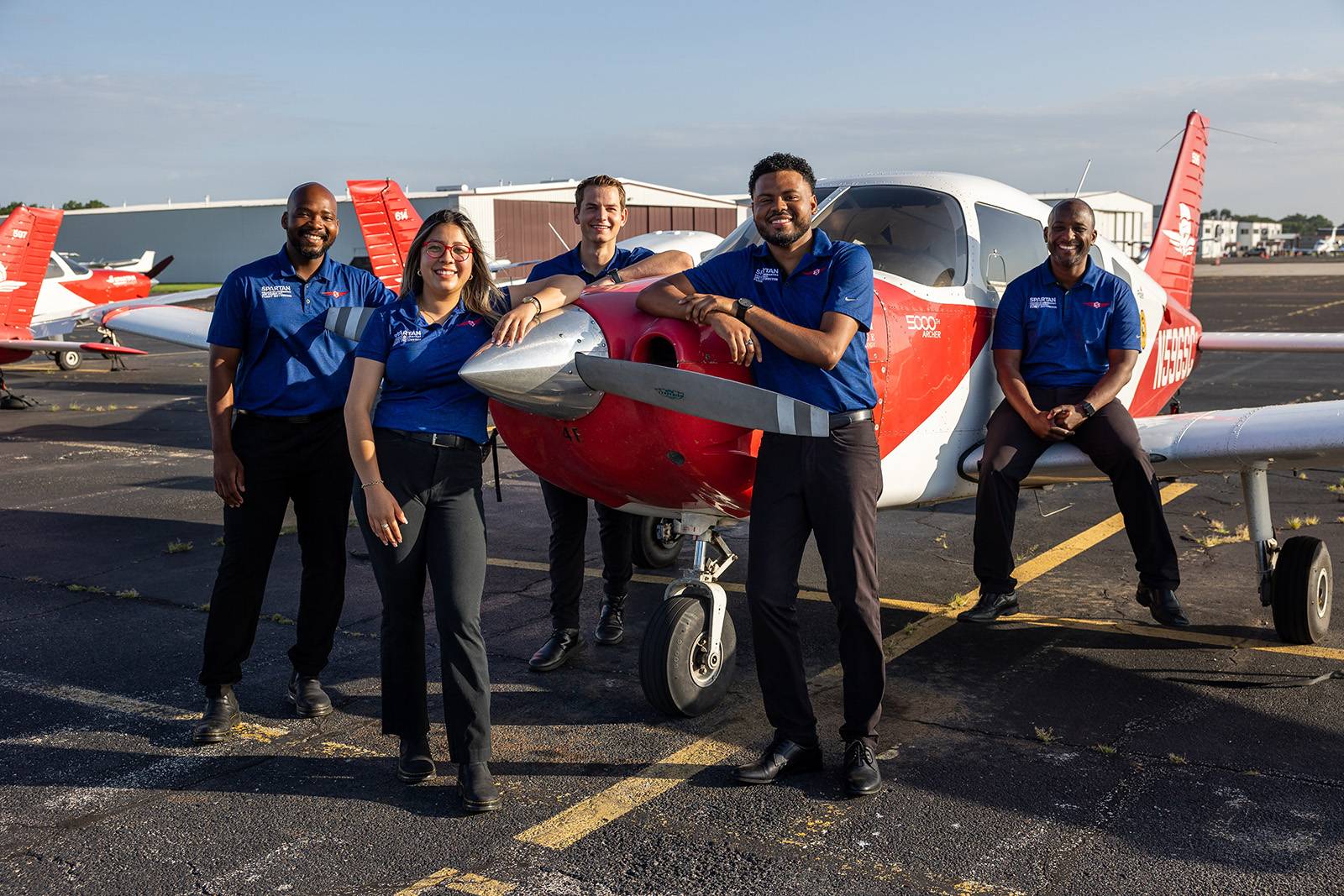
Helpful Questions to Ask a Flight School
When researching flight training options, consider asking:
- What certificates and ratings are included in the training path?
- Is training conducted under Part 61, Part 141, or both?
- What is the expected training frequency?
- How often are students able to fly?
- What can delay training timelines?
- What happens if I need additional training time?
- Are FAA written exams and checkrides included or separate?
- Is financial aid available for those who qualify?
- What support is available if I need additional practice?
How to Estimate Your Flight Training Timeline
To estimate how long flight training may take for you, consider:
Your Training Goal
- Private pilot only vs. full career-focused path
Training Structure
- Part 61 vs Part 141
Training Frequency
- How often you can realistically fly
Certification Path
- Private, instrument, commercial, multi-engine, CFI, CFII
Additional Requirements
- FAA written exams, checkrides, endorsements, and proficiency standards
Disclaimer
This page is intended for informational purposes only and reflects FAA requirements and general industry guidance. Actual training time, completion timelines, and progression may vary based on individual performance, training frequency, scheduling, weather, aircraft availability, instructor availability, and program structure.
Next Step
If you’re exploring flight training, the best way to get a clear understanding of your path is to speak with an admissions team and discuss your goals, timeline, and options.
Sources
- FAA: Pilot Schools Information
- FAA/eCFR: 14 CFR § 61.109, Private Pilot Aeronautical Experience
- FAA/eCFR: Appendix B to Part 141, Private Pilot Certification Course
- FAA/eCFR: 14 CFR § 61.65, Instrument Rating Requirements
- FAA/eCFR: Appendix C to Part 141, Instrument Rating Course
- FAA/eCFR: 14 CFR § 61.129, Commercial Pilot Aeronautical Experience
- FAA/eCFR: Appendix D to Part 141, Commercial Pilot Certification Course
- FAA/eCFR: 14 CFR § 61.63, Additional Aircraft Ratings
- FAA/eCFR: Appendix I to Part 141, Additional Aircraft Category and/or Class Rating Course
- FAA/eCFR: 14 CFR § 61.183, Flight Instructor Eligibility Requirements
- FAA/eCFR: 14 CFR § 61.187, Flight Instructor Flight Proficiency
- FAA/eCFR: Appendix F to Part 141, Flight Instructor Certification Course
- FAA/eCFR: Appendix G to Part 141, Flight Instructor Instrument Course
- Spartan College: Tulsa Aviation Flight Program